Creating the Ideal Tailored Vegetable Boxes: A Methodical Approach
Building custom produce boxes calls for a strategic approach. Professionals must consider sustainability, functionality, and visual appeal. Selecting the right components is vital for preserving freshness and promoting eco-friendly practices. Additionally, size and shape can significantly influence usability and shipping efficiency. Effective graphics enhance company identity, while detailed assessment ensures durability. Grasping see here these elements will reveal key insights into producing exceptional container strategies that resonate with customers. What comes next is fundamental to achieving those goals.
Selecting the Appropriate Supplies for Custom Produce Boxes
When choosing materials for custom produce boxes, it is essential to evaluate both functionality and sustainability. The choice of material greatly affects the box's durability, weight, and ability to safeguard the contents. Common materials consist of corrugated cardboard, which offers strength and is recyclable, making it a preferred choice for environmentally aware businesses. Compostable options, such as molded pulp or plant-based plastics, also comply with sustainable practices while providing sufficient protection for delicate produce.
Additionally, moisture protection is vital for keeping freshness intact, moving some suppliers to consider treated materials or specialized coatings. The visual character of the box must not be ignored, as branding and visual presentation can impact customer attitudes. Ultimately, the proper selection should maintain equilibrium between protecting the produce, satisfying consumer preferences, and adhering to environmental standards, ensuring both functionality and sustainability are prioritized to the design process.
How to Choose Size and Shape for Operational Use?
When determining the size and shape of custom produce boxes, careful assessment of produce measurements is crucial for proper storage. Additionally, attention to handling and transport can affect the box design, guaranteeing ease of movement. Optimizing storage space utilization further enhances functionality, allowing for efficient display and storage.
Assess Produce Dimensions Carefully
Determining the proper proportions for produce boxes is important for smooth operations and productivity. Thorough assessment of produce dimensions is necessary, as it confirms that items fit firmly without unnecessary space that might cause damage during warehousing and delivery. Specialized boxes need to handle multiple shapes, from tender fruits to oversized produce, while maintaining robustness. Additionally, the height and width of the boxes should support efficient stacking and inventory control, optimizing space in distribution centers. A expertly crafted container not only protects the produce but also boosts market presentation for shoppers. Ultimately, deliberate consideration of dimensions supports waste prevention and improving supply chain experience in the logistics network.
Think About Handling and Transport
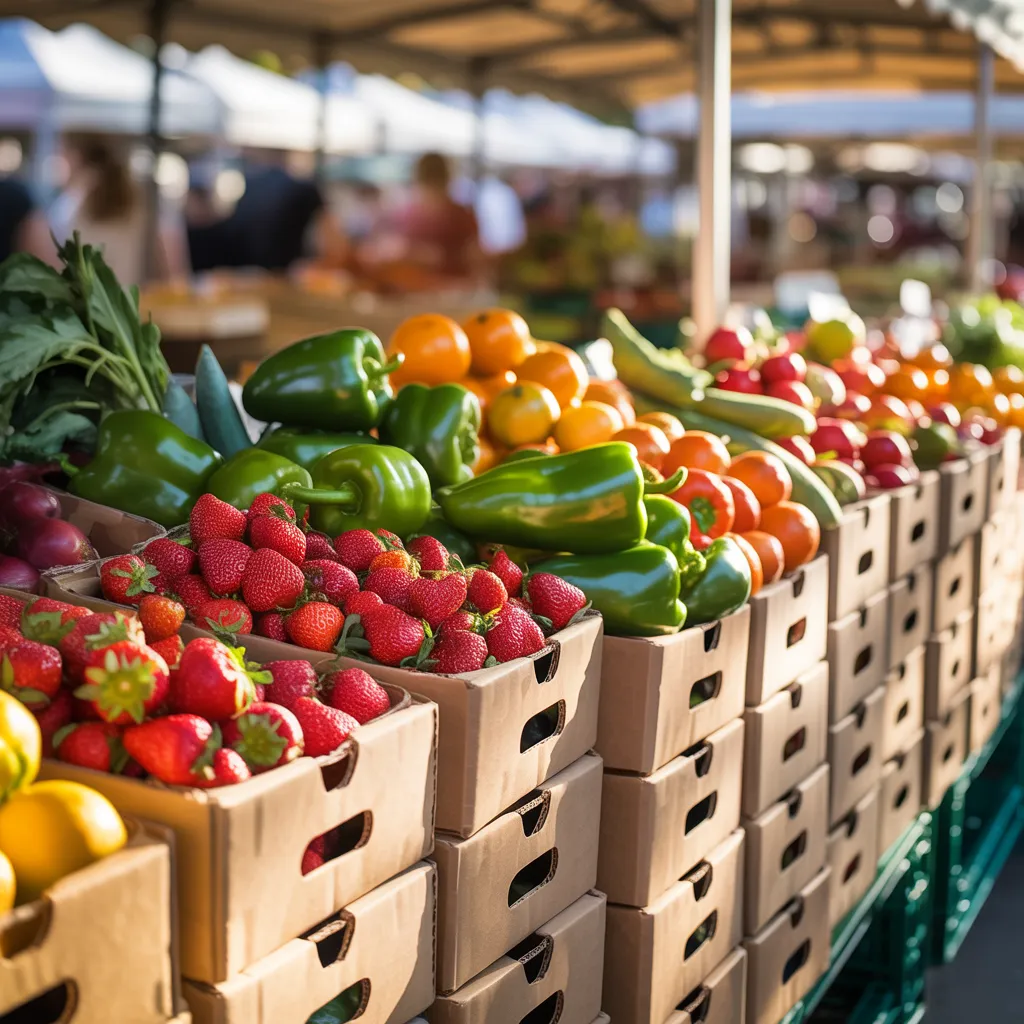
Handling and shipping considerations play a substantial role in establishing the appropriate size and shape of custom produce boxes. The dimensions must fit the fresh items without unnecessary space, which could lead to movement and damage during transport. Smaller, compact boxes facilitate simpler handling, while bigger containers may be required for larger items. Additionally, proper ergonomic planning is crucial; handles or openings should be carefully placed to allow for comfortable lifting and carrying. The shape of the box also affects stacking and stability, ensuring that products remain secure. Ultimately, thoughtful evaluation of these factors improves the efficiency of shipping, reduces product loss, and maintains the overall integrity of the produce from farm to consumer.
Optimize Shelf Space Utilization
Optimizing shelf space usage is contingent upon choosing the correct proportions and design of custom produce boxes. Planners should assess the size specifications of the storage systems as well as the categories of produce being placed. Straight-edged boxes often enhance room optimization, permitting for more straightforward stacking and alignment. Alternatively, non-standard forms can heighten visual appeal but may cause unused space if not strategically planned.
It's important to examine the inventory turnover rate; fast-selling items might gain from smaller, conveniently positioned containers. In addition, utilizing flexible or customizable designs can support multiple sizes of produce while refining display organization. By focusing on practical design with visual appeal, organizations can construct a practical and eye-catching presentation that strengthens both ease of access and product prominence.
How to Build Artwork That Command Notice?
Engaging visuals can transform a basic custom produce box into a stunning display that captures interest. To accomplish this, designers should begin by choosing a color scheme that showcases the freshness and energy of the produce. Vibrant, eye-catching colors can inspire feelings of freshness and health, compelling consumers to take a closer look.
Using bold typography is also essential; clear and legible fonts can effectively communicate essential information while enhancing visual appeal. Furthermore, incorporating high-quality images of the produce can create an immediate connection, displaying the item's excellence and attracting potential buyers.
In addition, integrating unique patterns or illustrations can help differentiate the brand in a saturated market. Consistency in visual aspects, such as logos and taglines, supports brand identity. Ultimately, a blend of creativity and clarity in visual design can greatly elevate the impact of custom produce boxes, making them stand out on shelves.
Eco-Friendly Practices for Custom Produce Box Packaging Solutions
An growing number of businesses are implementing eco-friendly practices for custom produce box packaging, acknowledging its importance in today's green-minded market. These practices often include the use of compostable materials, such as recycled paper and plant-based plastics, which minimize environmental impact. Companies are also focusing on sustainable sourcing, confirming that materials are obtained from responsibly managed forests or suppliers who champion environmental stewardship.
Also, many brands are selecting minimalist approaches that lower waste while still effectively displaying their products. This method not only appeals to eco-minded consumers but also assists with cutting production costs. Moreover, businesses are increasingly establishing efficient manufacturing processes that limit energy consumption and waste generation. By adopting these green practices, companies not only improve their brand image but also contribute positively to the planet, aligning their operations with a sustainable future.
Evaluate Your Bespoke Produce Box Format
Evaluating the format of custom produce boxes is a critical step in making sure they fulfill both aesthetic and functional criteria. This process commonly involves reviewing factors including durability, measurements, and functionality. First, trial models must be constructed to test the box's mechanical strength, verifying it can withstand transportation and holding without weakening the goods.
Subsequently, usability evaluations can be implemented to determine how conveniently the boxes can be pried open, closed, and stacked. Remarks from future users can be vital in this step, communicating understanding into the box's practical value.
Additionally, the visual impact of the design should be examined through focus groups or surveys, assessing consumer reactions to brand design elements, colors, and overall presentation.
Ultimately, comprehensive evaluation allows designers to improve the box, guaranteeing it not only attracts customers but also effectively protects and presents the produce within, striking the right equilibrium between form and function.
Efficiently Market Your Made-to-Order Produce Boxes
Effective marketing of personalized produce boxes calls for a strategic approach that stresses their unique features and benefits. Businesses should prioritize determining their target audience, such as local farms, grocery stores, or individual consumers. Utilizing social media platforms can amplify brand awareness, showcasing the boxes' appearance and functionality through engaging visuals and storytelling.
In addition, aligning with regional personalities and growers can reinforce authenticity and increase reach. Rolling out bargains or markdown offers during busy seasons can appeal to debut patrons and motivate returning trade.
Furthermore, promoting environmental sustainability and green values in marketing materials can appeal to environmentally conscious consumers. Presenting detailed information about material sources and the benefits of custom packaging can better establish the product in a competitive market.
Ultimately, a thorough marketing strategy that combines digital and community-based efforts will effectively promote custom produce boxes, attracting a heterogeneous clientele and generating sales.
Often Requested Queries
What Costs are Involved in Custom Produce Box Customization?
Charges regarding custom produce box design comprise materials needed, printing, labor, and shipping. Also, design consultation and order thresholds can shape total costs, creating different pricing structures based on individual specifications and manufacturing scale.
What Time frame Is Involved to Generate Made-to-order Boxes?
Creating bespoke boxes usually takes two to six weeks during the production phase. Multiple elements that influence this timeframe include design intricacy, material availability, and manufacturing capability, each of which can alter shipping schedules and lead times.
May I Acquire a Small Shipment of Made-to-Order Produce Boxes?
Yes, modest quantities of made-to-order produce boxes can usually be ordered. Many suppliers deliver threshold order amounts, making it possible for businesses or individuals to get customized packaging solutions without having to commit to substantial amounts initially.
What Are Common Mistakes to Prevent in Custom Box Layout?
Typical errors in custom box development consist of neglecting functionality, disregarding brand consistency, undervaluing material quality, failing to consider target audience preferences, and overlooking environmental impact. Each aspect is essential for effective packaging and customer satisfaction.
What Precautions Should I Take to Confirm My Boxes Are Safe for Food?
To guarantee boxes remain safe for food consumption, you should choose components certified for food contact, avoid harmful inks and adhesives, preserve cleanliness during production, and consistently monitor for compliance with health regulations and safety standards.